Market Overview & Summary
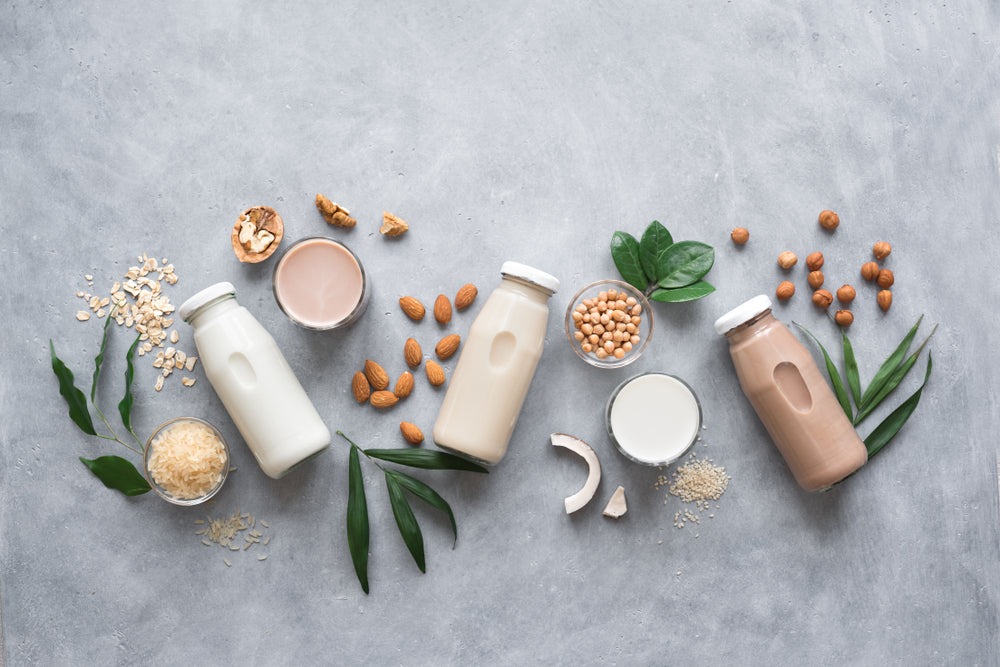 The India plant-based milk market size reached USD 857.7 Million in 2025. Evaluating the current trajectory and the impressive india plant-based milk market growth rate, the market is projected to reach USD 1,828.0 Million by 2034, exhibiting a steady compound annual growth rate (CAGR) of 8.33% during the 2026–2034 forecast period.
The domestic alternative dairy sector is executing a profound structural expansion, evolving from a niche dietary substitute into a mainstream, premium lifestyle category. Driven by surging lactose intolerance diagnoses, an aggressive shift toward flexitarianism, and the rapid expansion of modern café culture, urban Indian consumers are actively embracing soy, almond, and oat milk variants. As direct-to-consumer (D2C) food-tech startups and global FMCG multinationals aggressively compete to capture mindshare, the market is witnessing intense innovation in flavor profiles, organic certifications, and strategic foodservice partnerships, permanently altering the urban grocery landscape.
Market Size & Forecast
- Market Size (2025): USD 857.7 Million
- Projected Market Size (2034): USD 1,828.0 Million
- CAGR (2026 - 2034): 8.33%
- Leading Formulation: Unflavored (58.4% Share in 2025)
- Leading Category: Conventional (74.2% Share in 2025)
- Leading Region: North India (28.9% Share in 2025)
Key Market Trends
- Accelerated Shift Toward Oat and Almond Milk Variants:
The domestic market is witnessing a rapid structural shift toward oat and almond milk, significantly diversifying away from traditional soy milk dominance. Urban consumers increasingly prefer oat milk due to its neutral flavor profile, superior frothing capabilities, and seamless integration into specialty coffee beverages. Concurrently, almond milk remains highly sought after for its perceived premium health benefits and low caloric density. This aggressive diversification allows modern food-tech brands to capture a significantly broader, health-conscious audience who actively seek functional dairy alternatives that perfectly complement modern dietary preferences and premium café culture.
- Expansion of Direct-to-Consumer and Quick-Commerce Channels:
The rapid proliferation of direct-to-consumer (D2C) brands and quick-commerce delivery platforms is fundamentally transforming how plant-based milk reaches the modern Indian household. Agile startups are leveraging localized digital marketing and highly efficient ten-minute grocery delivery apps to bypass traditional distribution bottlenecks in tier-1 metropolitan cities. This direct engagement model allows emerging brands to offer specialized subscription services, customized trial packs, and niche flavors directly to urban millennials. Consequently, this seamless digital accessibility drastically lowers the barrier to entry, successfully converting curious buyers into long-term, loyal consumers of alternative dairy products.
- Mainstreaming of Flavored Plant-Based Dairy Indulgence:
While unflavored variants command household staples, flavored plant-based milks—such as chocolate, vanilla, and mango—are emerging as crucial consumer acquisition tools. These indulgent, ready-to-drink options successfully attract non-vegan demographics, particularly younger millennials, Generation Z consumers, and children seeking lactose-free treats. By meticulously masking the underlying nutty or earthy notes of the raw plant bases, manufacturers create highly palatable, guilt-free beverages that bridge the sensory gap between traditional dairy and vegan alternatives. This strategic flavor diversification is vital for penetrating modern retail shelves and accelerating trial rates among hesitant mainstream shoppers.
➤ Request Sample Report (TOC, Graphs & Charts): https://www.imarcgroup.com/india-plant-based-milk-market/requestsample
Strategic Market Dynamics
Growth Drivers
- Rising Prevalence of Lactose Intolerance and Dairy Allergies:
The escalating clinical diagnosis and widespread self-identification of lactose intolerance across urban Indian populations acts as a profound structural catalyst for the sector. As a massive segment of the demographic experiences digestive discomfort from conventional dairy, they are actively transitioning toward easily digestible plant-based alternatives. This fundamental physiological necessity structurally guarantees a highly dependable, non-discretionary consumer base that consistently purchases almond, soy, and oat milk for daily dietary needs. This shift permanently alters household grocery procurement, securing long-term volumetric demand for the entire alternative dairy industry across major metropolitan hubs.
- Surging Penetration of Veganism and Clean-Label Consumption:
The accelerating adoption of vegan, flexitarian, and clean-label lifestyles among affluent urban Indians provides immense momentum to the alternative dairy sector. Driven by heightened awareness of animal welfare, environmental sustainability, and holistic personal wellness, consumers are deliberately replacing animal-derived products with plant-based nutrition. Brands capitalizing on this ethical shift by prominently displaying organic certifications, zero artificial additives, and cruelty-free claims are capturing substantial premium retail margins. This ethically motivated consumption effectively transforms plant-based milk from a specialized dietary substitute into a highly aspirational, premium lifestyle product within the Indian market.
- Integration of Plant-Based Options in Foodservice and Cafés:
The aggressive integration of plant-based milk into the mainstream foodservice sector, particularly within premium coffee chains and corporate cafeterias, is fundamentally normalizing alternative dairy consumption. Major international and domestic café franchises now standardly offer oat, almond, and soy milk upgrades for specialty coffees. This pervasive foodservice presence acts as a massive experiential touchpoint, allowing skeptical consumers to trial these alternatives in expertly crafted beverages without committing to full retail purchases. This strategic commercial visibility heavily stimulates subsequent off-trade retail demand, driving sustained volumetric growth across urban distribution networks.
Market Restraints
- Significant Retail Price Premiums and Affordability Barriers:
Despite rapid urban adoption, the extreme retail price premium of plant-based milk compared to highly subsidized conventional dairy remains a formidable barrier to mass-market penetration. Because domestic almond, oat, and specialized processing technologies require expensive raw material procurement and complex extraction machinery, manufacturing costs remain stubbornly high. These elevated production expenses translate directly into premium shelf prices, effectively restricting the product's volumetric reach to highly affluent urban enclaves and preventing meaningful adoption across price-sensitive, middle-income households or semi-urban tier-2 and tier-3 demographic segments across the country.
- Sensory Limitations and Texture Engineering Challenges:
Achieving sensory parity with conventional dairy remains a profound technical challenge that severely hampers widespread mainstream adoption. Consumers frequently report dissatisfaction with the watery mouthfeel, distinct earthy aftertastes, or separation issues associated with certain plant-based milk variants when mixed into traditional Indian tea or coffee. Replicating the exact fat and protein emulsion of cow’s milk requires continuous, capital-intensive investments in advanced food science and texture engineering. These persistent sensory limitations frequently discourage repeat purchases among traditional consumers, forcing brands to constantly reformulate products to meet uncompromising local culinary expectations.
Deep-Dive Segment Insights
Formulation Insights
- Unflavored (Leading Segment - 58.4%)
- Flavored
Key Insight: Unflavored plant-based milk completely dominates baseline consumption due to its unparalleled versatility. It serves as a direct, seamless substitute for conventional milk in daily cooking, baking, and hot beverages, establishing extremely strong repeat-purchase habits among urban households. The Flavored segment (~9.1% CAGR) is expanding as an indulgent gateway product targeted at younger demographics.
Category Insights
- Conventional (Leading Segment - 74.2%)
- Organic
Key Insight: The Conventional category leads by providing critical price accessibility and extensive modern retail distribution, successfully capturing the broad base of flexitarian and lactose-intolerant consumers. The Organic segment is the fastest-growing (~10.2% CAGR), specifically catering to highly affluent, clean-label consumers willing to absorb a 25-40% price premium for certified sustainable sourcing.
Regional Insights
- North India (Leading Region - 28.9%)
- West and Central India (27.6%)
- South India (25.3%)
- East and Northeast India (18.2%)
Key Insight: North India captures the highest share, driven by deep D2C penetration, an exploding café culture, and extreme health awareness within the Delhi-NCR metropolitan cluster. South India remains a formidable market, leaning heavily on its culturally embedded tradition of coconut milk consumption alongside expanding modern retail in Bengaluru and Chennai.
Competitive Landscape & Key Company Insights
The competitive landscape is moderately fragmented, featuring a collision between deeply entrenched FMCG multinationals and agile domestic startups aggressively fighting for premium modern trade shelf space.
- The Hershey Company:
- Market Position: Market Leader
- Strategic Focus: Pioneers the category through its Sofit brand, maintaining absolute dominance by leveraging the widest cold-chain and ambient distribution network across modern retail, effectively capturing the mainstream soy milk segment.
- Veganday Lifestyle Private Limited:
- Market Position: Niche Player
- Strategic Focus: An India-born D2C startup focused heavily on product freshness and affordability. By offering a broad portfolio of coconut, almond, cashew, soy, and oat milks, it effectively captures urban millennials seeking highly specialized plant bases.
- Blue Diamond Growers:
- Market Position: Emerging Player
- Strategic Focus: The global leader in almond beverages utilizes premium import channels and modern grocery partnerships to position its Almond Breeze brand as the absolute gold standard for premium almond milk in India.
- Bagrry's:
- Market Position: Niche Player
- Strategic Focus: Leverages its decades-old brand trust in the Indian health food and oats sector to successfully cross-sell its newly launched oat and almond milk portfolios to an already loyal, health-conscious consumer base.
Recent News and Developments:
- FSSAI Tightens Vegan Labeling Regulations (June 2026): The Food Safety and Standards Authority of India (FSSAI) strengthened its regulatory framework governing vegan and plant-based labeling. The updated compliance standards force brands to strictly verify their plant-based claims and prohibit the use of dairy-associated nomenclature without explicit disclaimers, effectively formalizing the category.
- Rapid Expansion of Oat Milk Portfolios: Through late 2025 and 2026, leading domestic players aggressively expanded their oat-based beverage lines—mirroring global trends—targeting premium café partnerships to substitute traditional dairy in barista-crafted espresso beverages, cementing oat milk as the fastest-growing plant base in the foodservice sector.
Customization Note: If you require any specific information not covered within this report's scope, we will provide it as part of the customization.
Frequently Asked Questions (FAQs)
Q1. What was the India plant-based milk market size in 2025?
Ans. The India plant-based milk market size reached USD 857.7 Million in 2025.
Q2. What is the projected market size and growth rate by 2034?
Ans. The market is projected to reach USD 1,828.0 Million by 2034, registering a compound annual growth rate (CAGR) of 8.33% from 2026 to 2034.
Q3. Which formulation dominates consumer demand?
Ans. The unflavored segment dominates (58.4% share in 2025) because its neutral taste makes it a highly versatile, direct replacement for dairy in daily household cooking, baking, and hot beverages.
Q4. Why is organic plant-based milk growing so quickly?
Ans. Growing at a 10.2% CAGR, the organic segment is fueled by rising environmental consciousness and demand for clean-label, pesticide-free products among highly affluent urban consumers willing to pay a substantial price premium.
Q5. Why does North India hold the largest regional market share?
Ans. North India captures a 28.9% share, heavily anchored by the Delhi-NCR region, which boasts intense health and wellness awareness, massive modern retail penetration, and a thriving specialty café culture that actively promotes dairy alternatives.