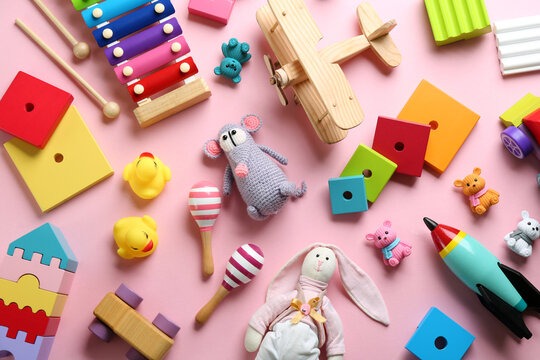
Malaysia Toys Market Outlook
This IMARC Group study provides a forecast of market size, share, and emerging trends for the Malaysia Toys Market for 2026–2034. The report covers segmentation by product type, age group, sales channel, and state, with state-level coverage across Selangor, W.P. Kuala Lumpur, Johor, Sarawak, and Others.
Market Snapshot
- Base Year Market Size (2025): USD 363.6 Million
- Forecast Market Size (2034): USD 640.1 Million
- CAGR (2026–2034): 6.29%
Current Size of the Malaysia Toys Market
The Malaysia Toys Market size reached USD 363.6 Million in 2025 and is projected to reach USD 640.1 Million by 2034, growing at a CAGR of 6.29% during 2026–2034. Malaysia Toys Market growth rests on collector culture expanding beyond children to adult buyers, local IP development by homegrown designer toy brands, mandatory safety certification reshaping the supply base, and physical retail maintaining relevance alongside e-commerce.
Emerging Trends in the Malaysia Toys Market
Collector Culture Reshapes the Buyer Base
Collector culture, particularly around dolls and accessories, has transformed consumer engagement and retail innovation, enabling brands including Pop Mart and Miniso to capture significant share through experiential and exclusive offerings, with traditional toys and games delivering 7% value growth in 2025 . This matters because the buyer is no longer primarily a parent purchasing for a child. Adult collectors purchase repeatedly, often at premium price points, and they respond to scarcity and exclusivity rather than durability and safety alone. A blind-box release creates urgency that a conventional toy line cannot replicate.
Local IP Development Reduces Third-Party Dependence
Milolo, a homegrown designer toy company, opened its flagship premium concept store at Ombak KLCC in September 2026 and launched a celebrity blind box in collaboration with singer and actress Bella Astillah as part of a strategy to reduce reliance on third-party branded collectibles and build its own IP portfolio . This matters because third-party distribution margins are thin, and the brands that control IP capture the licensing value. Milolo listed on Bursa Malaysia's LEAP Market in May 2026, raising RM3.5 million, with plans to open up to five new retail outlets across Peninsular Malaysia over two years .
Safety Enforcement Removes Non-Compliant Products
The Terengganu branch of the Ministry of Domestic Trade and Cost of Living seized 2,380 soft sponge toys worth RM30,391 in October 2026 because they did not comply with safety standards required under Malaysian Conformity marking requirements . Penang separately banned the sale of toys containing syringes, citing medical device regulations . This matters because enforcement raises the compliance bar for importers and retailers. Toys that fail to carry the conformity mark face seizure and penalties, which favours established brands with documented compliance over informal imports.
Physical Retail Holds Ground Against E-Commerce
Physical retailers benefit from weekend visits to shopping centres, and traditional toys and games stores maintain leadership in distribution, while e-commerce gains share through competitive pricing but faces slower momentum as shoppers return offline . This matters because toys are tactile products that benefit from in-person inspection, particularly for parents evaluating quality and safety. The opening of experiential stores and flagship outlets reflects retailer confidence that physical presence drives conversion and brand building.
Request Sample Report with Datasheet: https://www.imarcgroup.com/malaysia-toys-market/requestsample
Factors Driving the Growth of the Malaysia Toys Market
Rising Disposable Income Supports Discretionary Spending
Toys and games in Malaysia achieved robust growth in 2025, with a value increase of 8% driven by increasing real disposable income and moderate inflation at 1%, which collectively sustain rising discretionary expenditure . This matters because toy purchases are discretionary and sensitive to household budget conditions. When disposable income rises and inflation remains moderate, families have more room for non-essential spending, and collectors have more capacity for premium purchases.
E-Commerce Expands Access and Discovery
The expansion of online retail platforms has accelerated, allowing consumers to easily access a broad range of toys and hobby goods . This matters because online channels solve the reach problem for specialty and collector products that physical stores may not stock. A consumer in a smaller state can access limited-edition releases that would never appear in a local toy shop, and the browsing experience introduces new brands and categories that drive discovery.
Educational and STEM Toy Demand
Collaborative initiatives between educational institutions and toy manufacturers to develop STEM-focused educational kits have gained traction, and demand for educational toys shapes purchasing patterns . This matters because educational positioning gives parents a justification for purchase that pure entertainment does not. A toy that claims to develop cognitive or motor skills can be framed as an investment in child development rather than an indulgence, which reduces purchase resistance at higher price points.
Local Content and Cultural Relevance
Local franchises including Monsta and Wau Animation drive innovation via cultural appeal and licensing, and local anime and films support licensing in action figures and games . This matters because locally relevant content resonates more strongly than imported IP that children may not recognize. A toy based on a Malaysian animated series connects with children who watch the show and parents who value cultural representation, creating demand that global brands cannot easily replicate.
Opportunities in the Malaysia Toys Market
Original IP Development for Regional Export
Milolo is targeting expansion into Thailand, Singapore, Indonesia, and China within two to three years, and its flagship store model is designed to serve as a template for overseas locations . The opportunity lies in developing Malaysian IP that travels across Southeast Asia, where cultural proximity and shared consumer trends reduce adaptation costs. A character that resonates in Kuala Lumpur has a reasonable chance of resonating in Jakarta or Bangkok, and the regional market is large enough to justify investment in original content.
Collector-Focused Retail Experiences
Milolo's flagship premium concept store places greater emphasis on its characters and IP as well as activities for collectors, unlike its regular outlets . The opportunity lies in retail formats designed for collector engagement rather than pure transaction. Events, exclusive releases, and community activities convert occasional buyers into repeat customers, and they create foot traffic that benefits adjacent product categories.
Safety-Compliant Import and Distribution
With enforcement removing non-compliant products from the market, importers and distributors that can document conformity marking and safety standards gain a competitive advantage . The opportunity lies in serving retailers who need reliable, compliant supply. A distributor that guarantees certification reduces the retailer's risk of seizure and penalty, which justifies a margin premium over informal suppliers.
Challenges in the Malaysia Toys Market
Safety Compliance Burden Falls on Importers and Retailers
Toys must comply with prescribed standards, particularly those intended for children under 14, and carry the mandatory conformity mark . This matters because compliance requires testing, documentation, and traceability that informal importers may not provide. Retailers that source from unverified suppliers risk seizure of inventory and penalties, and the compliance cost raises the barrier to entry for small players.
Competition from Video Games for Leisure Spending
Video games remain the key growth engine in Malaysia's broader toys and games market, and they capture a large share of total consumer spending on play . This matters because physical toys compete for the same leisure budget as digital entertainment. A child who receives a video game may not receive a physical toy, and the competition is particularly intense among older children and teenagers who are the primary video game audience.
Declining Birth Rates Limit Traditional Toy Demand
Kidults and collectibles trends drive sales of dolls amid declining birth rates, and millennials help drive sales as local birth rates fall . This matters because the traditional toy market depends on child population growth, which is slowing in Malaysia. The shift toward adult collectors is a response to this demographic reality, but it changes the product mix toward higher-priced collectibles and away from mass-market children's toys.
Key Market Segments in the Malaysia Toys Market
The Malaysia Toys Market is segmented by product type, age group, sales channel, and state.
Dolls Lead the Malaysia Toys Market by Product Type
- Action Figures
- Building Sets
- Dolls
- Games and Puzzles
- Sports and Outdoor Toys
- Plush
- Others
Dolls lead because collector culture has transformed the category, with Pop Mart's Labubu and similar collectible dolls driving value growth among adult buyers, alongside traditional demand from children . Building sets follow as the second-largest product type, supported by STEM-focused educational kits and licensed collaborations including Wau Animation's partnership with Sembo Blocks .
5 to 10 Years Leads the Malaysia Toys Market by Age Group
- Up to 5 Years
- 5 to 10 Years
- Above 10 Years
The 5 to 10 years age group leads because this is the primary window for traditional toy purchases, when children are old enough to engage with building sets, games, and action figures but still young enough that parents control purchase decisions. Above 10 years follows as the faster-growing segment, driven by collector culture and the kidult trend, where adult buyers purchase for themselves rather than for children.
Specialty Stores Lead the Malaysia Toys Market by Sales Channel
- Supermarkets and Hypermarkets
- Specialty Stores
- Department Stores
- Online Stores
- Others
Specialty stores lead because toys are tactile products that benefit from in-person inspection, and traditional toys and games stores maintain leadership in distribution . Online stores follow as the fastest-growing channel, driven by expanded retail platforms, competitive pricing, and access to collector releases that physical stores may not stock .
Selangor Leads the Malaysia Toys Market by State
- Selangor
- W.P. Kuala Lumpur
- Johor
- Sarawak
- Others
Selangor leads because the Klang Valley, which includes Selangor and Kuala Lumpur, concentrates the largest population, highest disposable incomes, and the densest retail infrastructure in Malaysia, including the shopping malls where toy specialty stores and flagship outlets locate . W.P. Kuala Lumpur is the significant secondary market, supported by flagship retail locations including Milolo's Ombak KLCC store and the highest concentration of collector-focused outlets .
Key Players in the Malaysia Toys Market
Covering an in-depth analysis of the competitive landscape, market structure, key player positioning, competitive dashboards, top winning strategies, and detailed profiles of all major industry participants you will gain access to all these exclusive insights within the full research report.
Latest Recent Developments in the Malaysia Toys Market
In September 2026, Milolo Bhd opened its flagship premium concept store at Ombak KLCC and launched a celebrity blind box collectible in collaboration with singer and actress Bella Astillah, as part of a strategy to develop original IP based on Malaysian personalities and reduce reliance on third-party branded collectibles . The company, which listed on Bursa Malaysia's LEAP Market in May 2026, operates 10 retail outlets across major shopping malls in Peninsular Malaysia and plans to open up to five more over the next two years .
Customization Note: If you require any specific information not covered within this report's scope, we will provide it as part of the customization.
Request Report Customization: https://www.imarcgroup.com/request?type=report&id=37381&flag=E
Frequently Asked Questions
Q1. What is the current size of the Malaysia Toys Market?The market reached USD 363.6 Million in 2025. It is forecast to reach USD 640.1 Million by 2034, growing at a CAGR of 6.29% during 2026–2034.
Q2. What are the key factors driving the Malaysia Toys Market?Collector culture expanding the buyer base beyond children, rising disposable income supporting discretionary spending, e-commerce expanding access and discovery, and local IP development by homegrown brands are the primary growth drivers.
Q3. What are the key segments in the Malaysia Toys Market?Dolls lead by product type, the 5 to 10 years age group leads by age, specialty stores lead by sales channel, and Selangor leads by state. The market is segmented by product type, age group, sales channel, and state.
Q4. Which state leads the Malaysia Toys Market and why?Selangor leads because the Klang Valley concentrates the largest population, highest disposable incomes, and densest retail infrastructure, including the shopping malls where toy specialty stores and flagship outlets locate.
Q5. What are the emerging trends in the Malaysia Toys Market?Collector culture reshaping the buyer base, local IP development reducing third-party dependence, safety enforcement removing non-compliant products, and physical retail holding ground against e-commerce are the key trends.